Why Your Charleston Crawl Space Encapsulation Won't Stop Rodents
Crawl Logic Lowcountry
The Hard Truth About Rodents and Your Crawl Space
WHAT CHARLESTON HOMEOWNERS NEED TO UNDERSTAND
Let me tell you about a service call I just had out in Daniel Island.
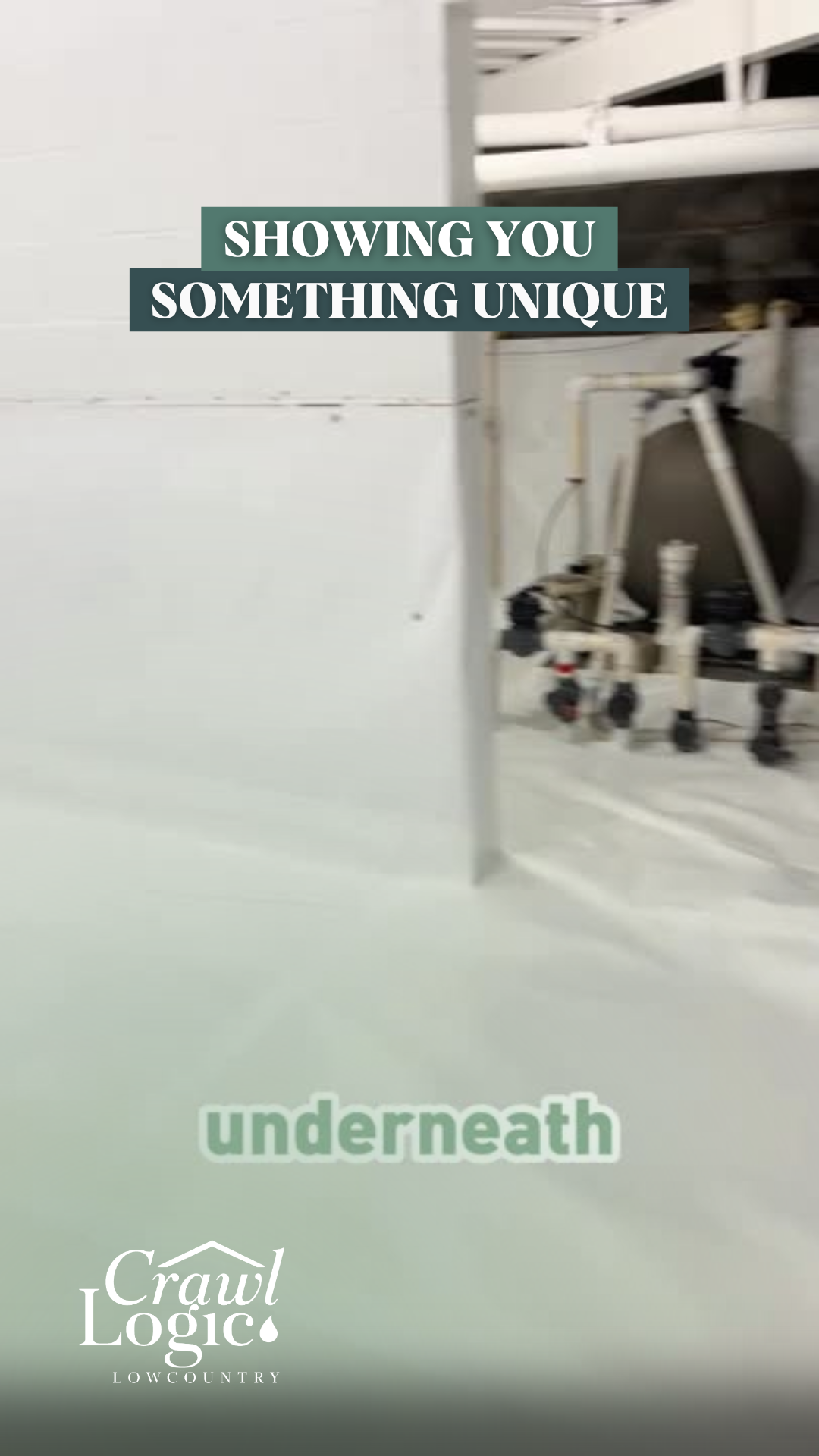
We were fixing up a crawl space that had been torn apart by rodents.
The dehumidifier was shot - probably thanks to a failed condensate pump, but that's a rant for another day.
What really got me thinking was how many times I've heard this same story.
Here's the thing: people keep thinking that getting their crawl space encapsulated will somehow solve their rodent problem.
I get it - the logic seems sound. Seal up the space with foam and plastic, and those critters can't get in, right?
Wrong. Dead wrong.
Welcome to Crawl Logic Lowcountry!
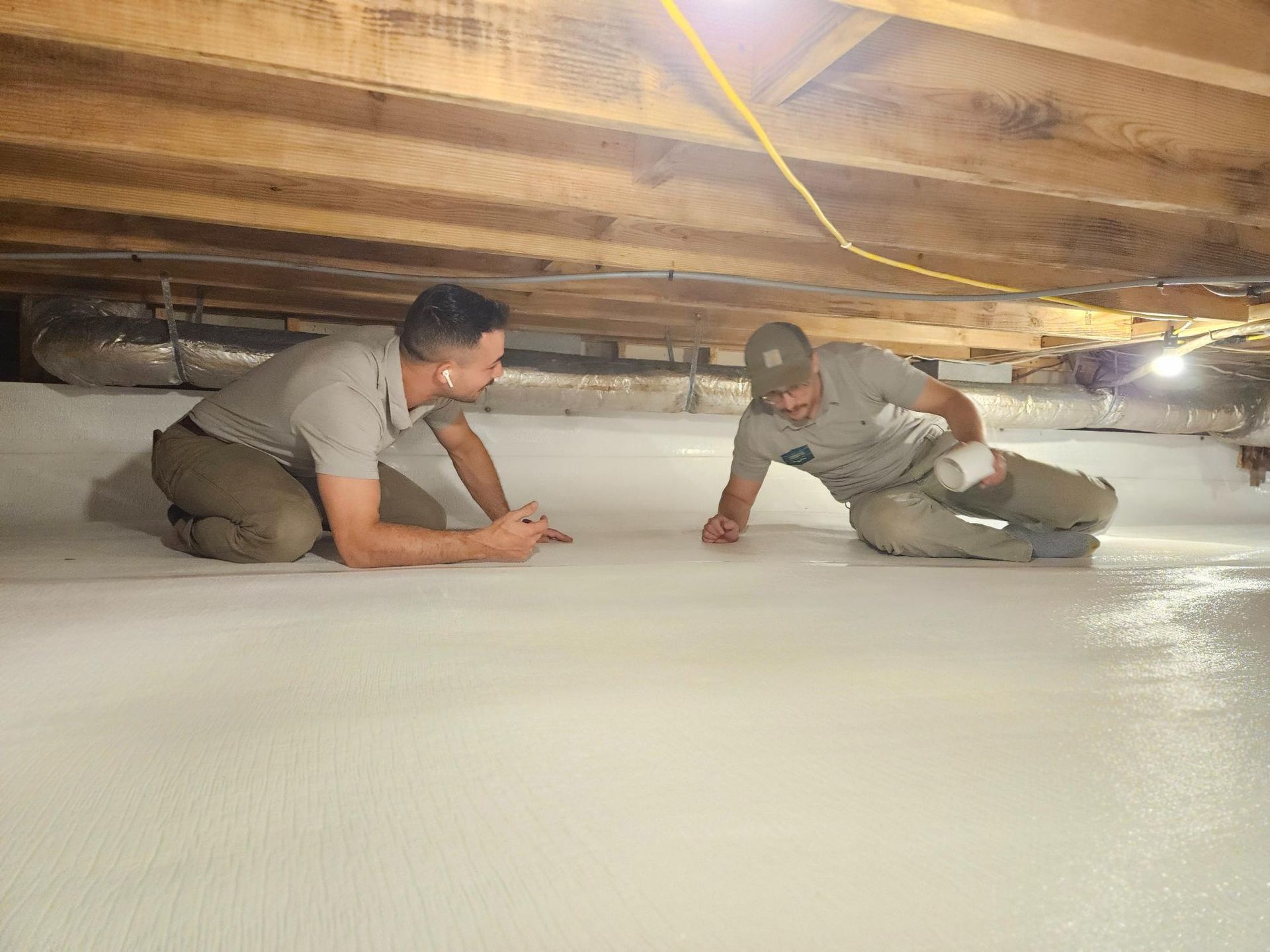
The Reality of Rodent Capabilities
Let me hit you with a fact that still blows my mind: rodents can chew through an inch of concrete in a day. An inch. Of concrete. In 24 hours. So when people think a thin layer of plastic is going to stop them, I have to be straight with them - it's not happening.
I've seen it firsthand too many times to count. These little demolition experts will tear through vapor barriers, foam board, and pretty much anything else you put in their way if they want to get somewhere. That expensive encapsulation you just had installed? To them, it's just an appetizer before they get to whatever attracted them to your crawl space in the first place.
This isn't about scaring anyone - it's about being honest about what different services can and can't do. An encapsulation is great for moisture control, but thinking it's going to solve your rodent problem is like putting a Band-Aid on a broken arm. You need the right tool for the right job.
Understanding the Different Solutions
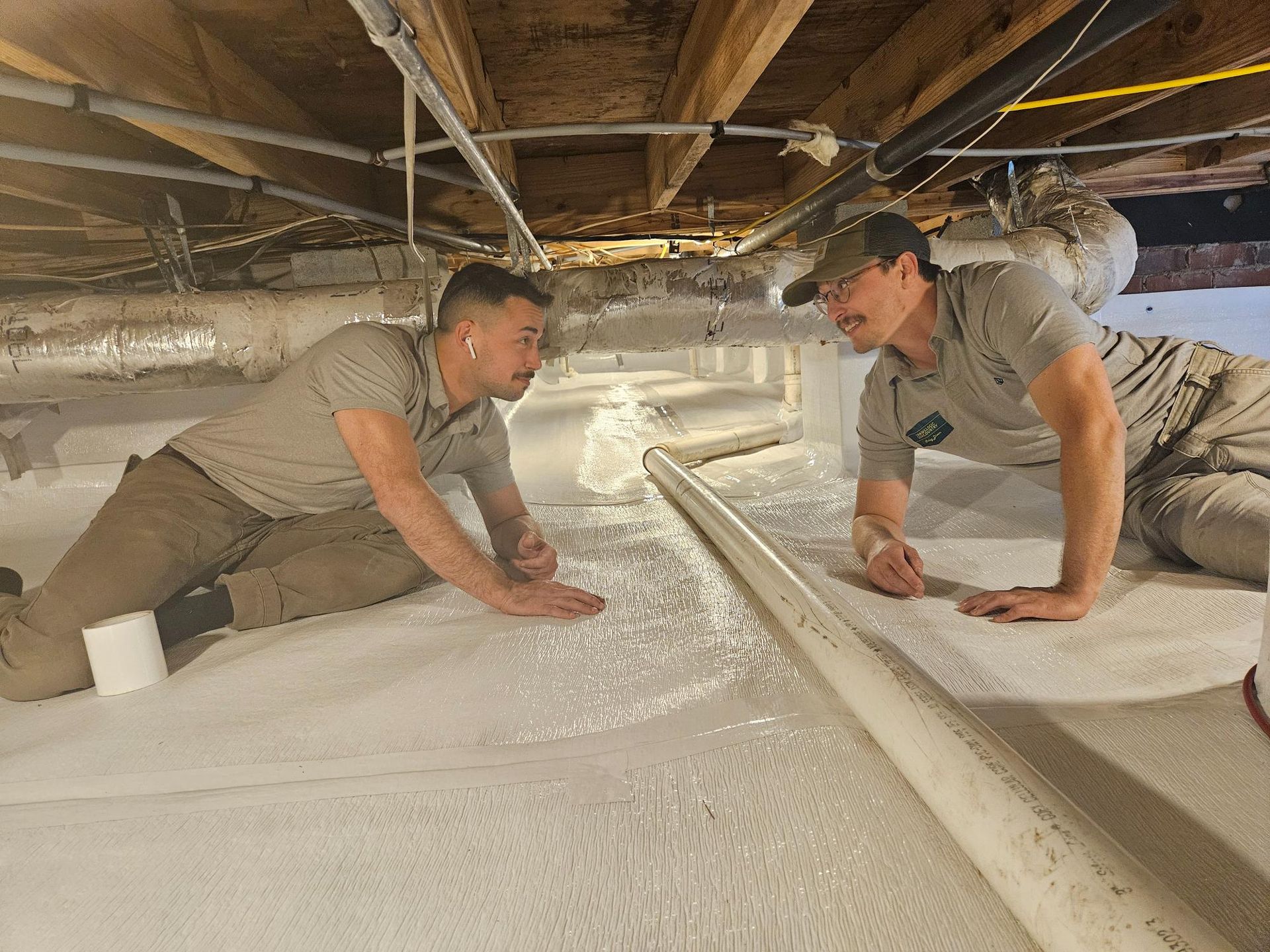
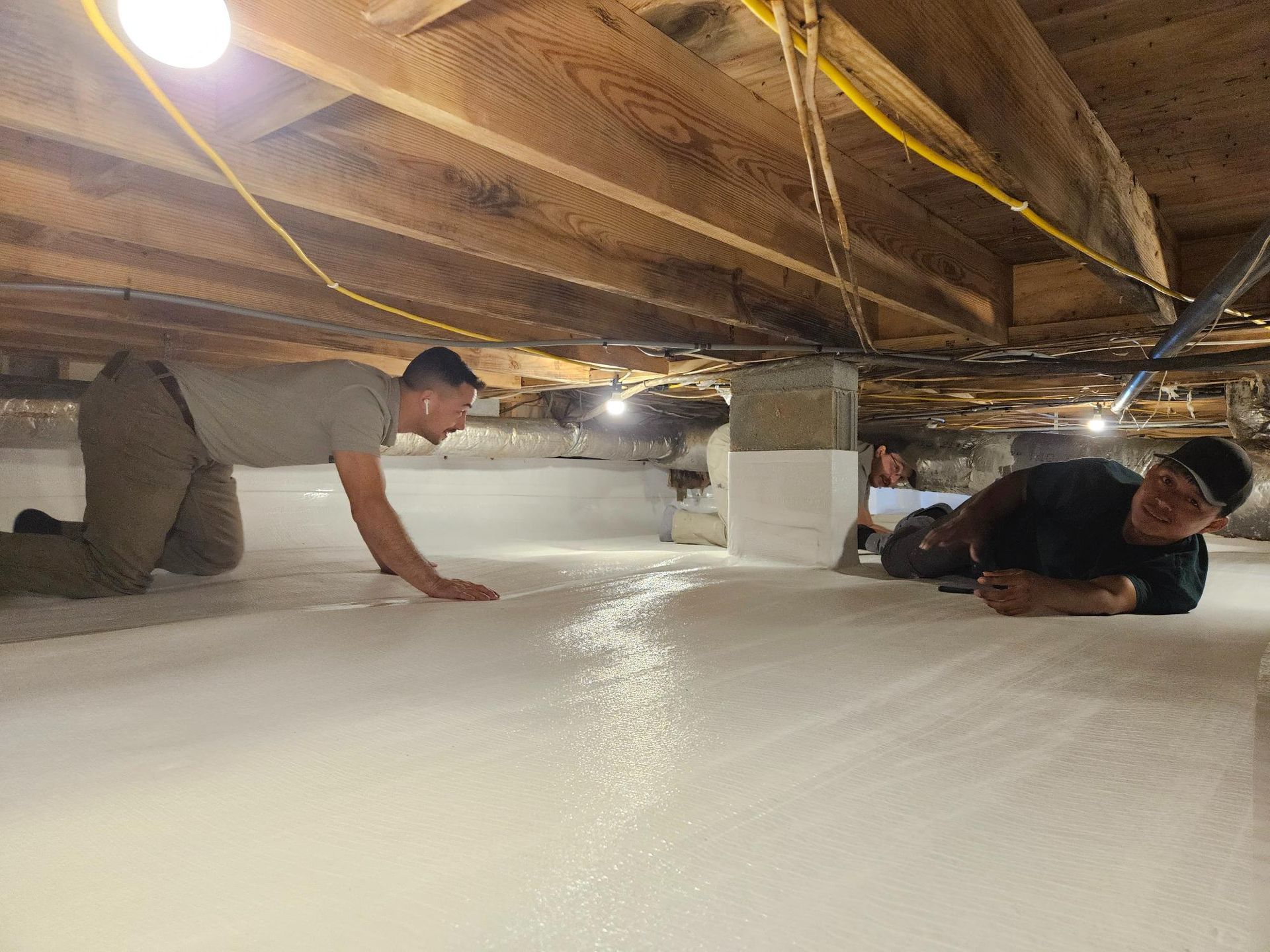
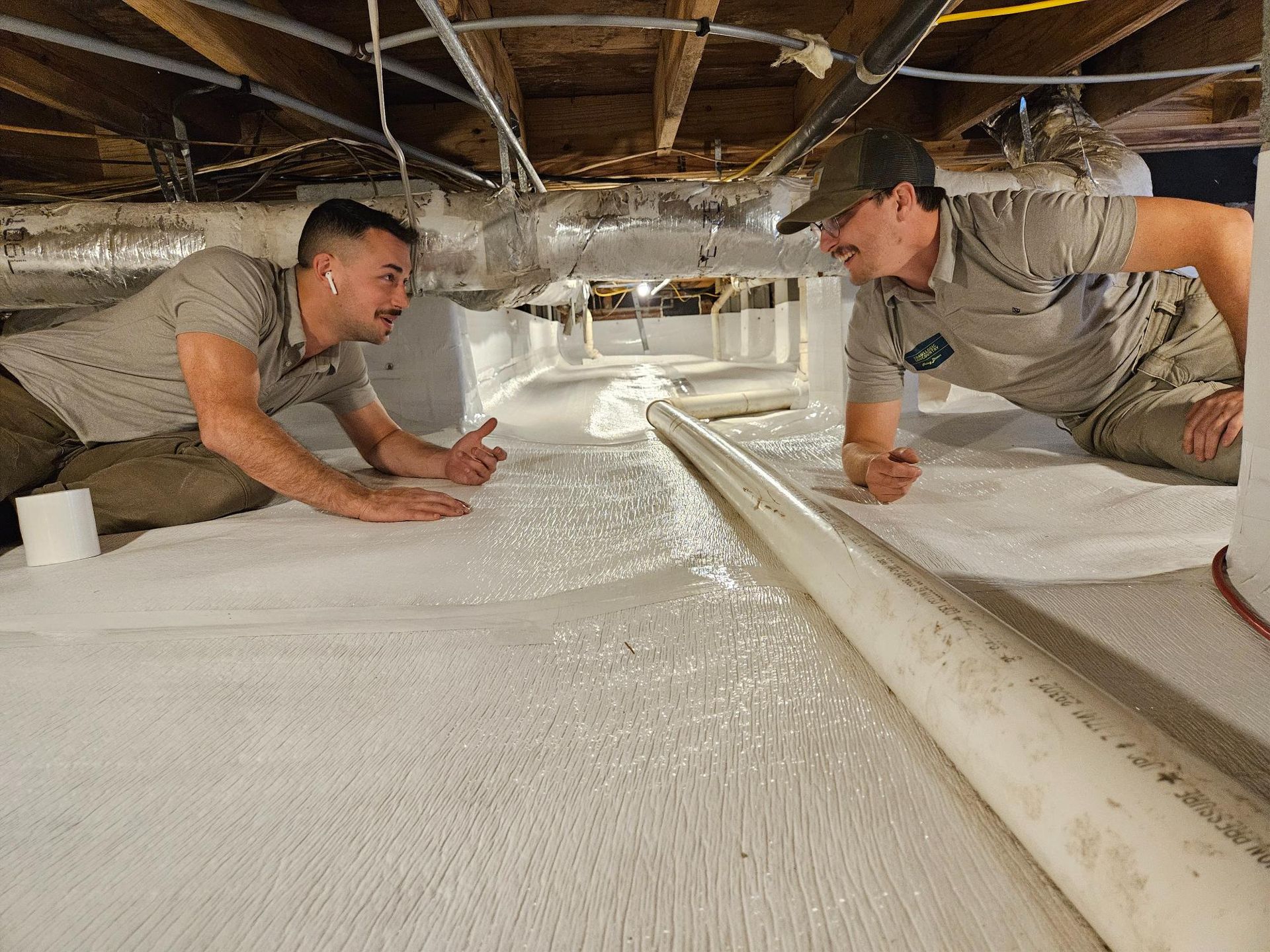
Look, here's what you need to know: encapsulation and rodent control are two completely different things. Encapsulation is about controlling moisture, protecting your floors, and keeping your home healthy. That's what we do, and we do it right. But when it comes to keeping critters out? That's called exclusion work, and it's a whole different ballgame.
Exclusion work is about finding and sealing every possible entry point that rodents might use to get into your crawl space. And trust me, they're creative about finding ways in. This isn't something you can handle with just some expanding foam and good intentions. You need someone who knows what they're doing.
Finding the Right Solution
This is why I always recommend Graham Hoffman at Monster Wildlife to our clients. Here's what I love about him - and this tells you everything you need to know about his character: He'll actually tell people if their existing exclusion work is good enough. Sure, he might say "I could do it better," but if it's working, he won't try to sell you something you don't need.
I found this out firsthand. When he first reached out to me, I was straight with my clients - told them I didn't know him personally but was willing to give him a shot. He knocked it out of the park. And he's been doing the same for every client we've sent his way since then. That's the kind of professional you want handling your rodent problems.
Protecting Your Investment
Here's the thing: if you're going to invest in your crawl space, you need to do things in the right order. Get the rodent problem handled first. There's no point in putting down a beautiful vapor barrier if rats are going to turn it into confetti. Once the exclusion work is done properly, then we can come in and do what we do best - create a clean, dry, healthy crawl space that's going to last.

Next Steps for Homeowners
So here's what you need to take away from all this: if you've got a rodent problem in your crawl space, get that handled first. Call a specialist - and yes, I'm going to recommend Graham at Monster Wildlife again because I know he'll shoot straight with you. Get the exclusion work done right.
After that? Then we can talk about encapsulation. And if your crawl space is already in rough shape (and yes, I mean "poopy" in both senses of the word), don't worry - we've seen it all. Sure, it'll cost more to clean up a mess than to prevent one, but it beats living above a disaster zone.
The bottom line is this: every service has its purpose. Encapsulation won't stop rodents, and rodent exclusion won't fix your moisture problems. But when you get both done right, by people who know what they're doing? That's when you're really protecting your home.
Got questions about your crawl space? Or maybe you're not sure what you need first? Give us a call. We'll tell you straight what we can and can't do for you. Because at the end of the day, being honest about what we don't do is just as important as being great at what we do.