The Crawl Space Myth That Won't Die (And Why It's Wrong)
Crawl Logic Lowcountry
Don't Set Your Dehumidifier Too Low" - Really?
WHY I ACTUALLY LOOKED UP THE SCIENCE BEHIND THIS OLD ADVICE
We've been having some unusual weather here in the Lowcountry lately.
The other day, the relative humidity hit 34% - that was the high for the entire day.
Most of the time it was sitting in the 20s. Now, if you know our area, you know that's pretty rare.
We're usually dealing with humidity you could swim through.
But this weird weather got me thinking about something I've heard for years in the crawl space business.
It's advice that gets passed around like gospel, usually from guys who've been doing this work for 20, 25, even 30 years.
They'll tell you, "Be careful not to set your dehumidifier too low. You don't want your crawl space getting too dry."
Every time I hear this, I ask the same question: Why? And you know what answer I get?
"Well, you don't want to weaken the wood."
That's it. That's the explanation.
So naturally, being the kind of person who needs to understand why things work the way they do, I went digging through every scientific study I could find on the subject.
Welcome to Crawl Logic Lowcountry!
The Myth Explained
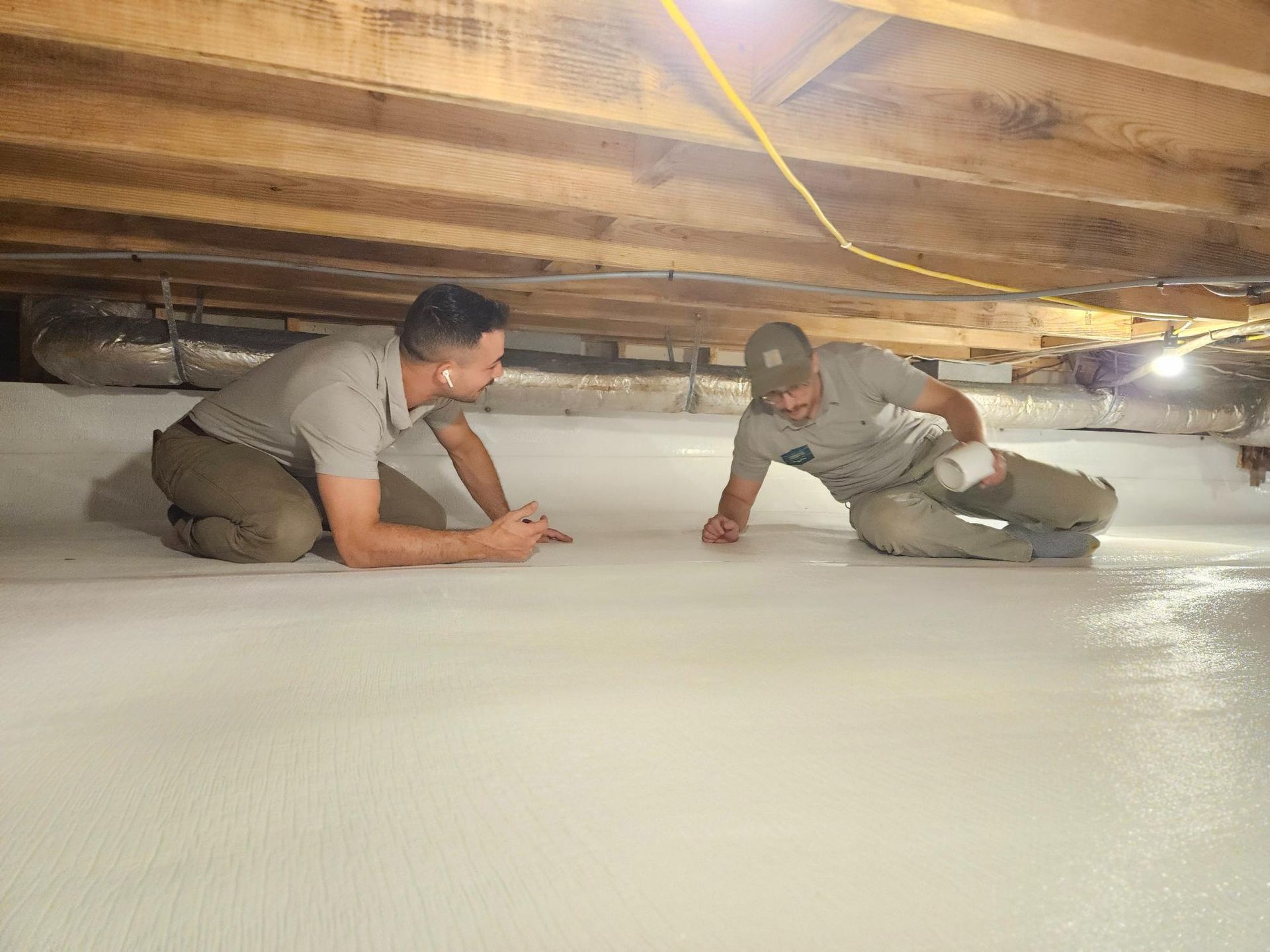
Here's what the warning is based on: There are studies that show wood can technically weaken if it drops below 4% moisture content and stays there for a really long time. So on paper, these experienced contractors are right. The science does show that overly dry wood can lose some structural integrity.
Sounds reasonable, right? Wood needs some moisture. Too much moisture is bad, but too little moisture is also bad. It's all about balance. That's the logic, anyway.
And when someone with three decades in the business tells you this, you're probably going to listen. After all, they've seen thousands of crawl spaces. They know what they're talking about. Or do they?
What the Science Actually Says
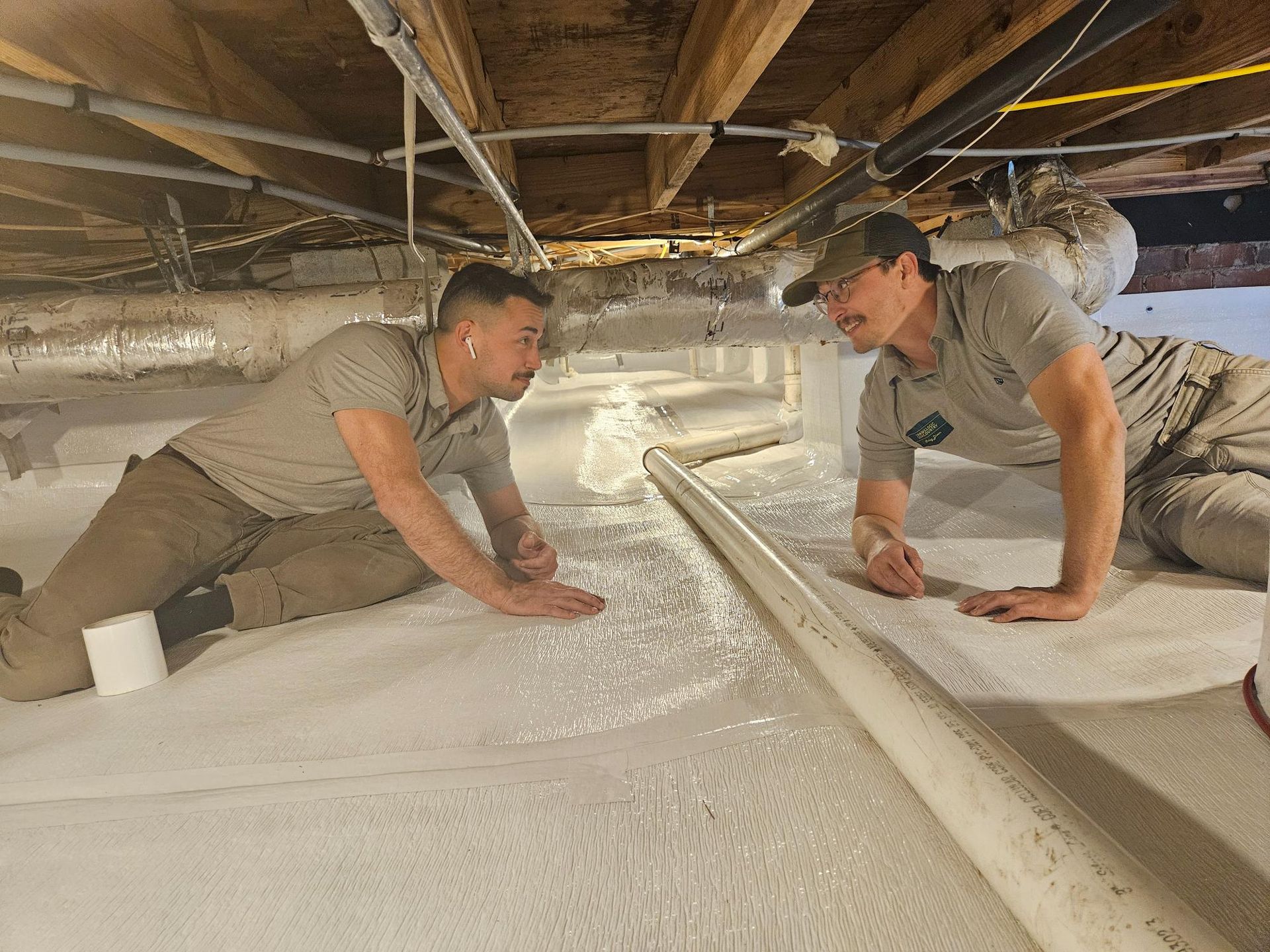
Here's where it gets interesting. Yes, wood can weaken below 4% moisture content. That part is technically true. But here's the problem with applying that to your crawl space: You need a kiln to get wood that dry.
A kiln. You know, those big industrial ovens that lumber companies use to dry out wood in a controlled environment with intense heat. That's what it takes to get wood down to 4% moisture content.
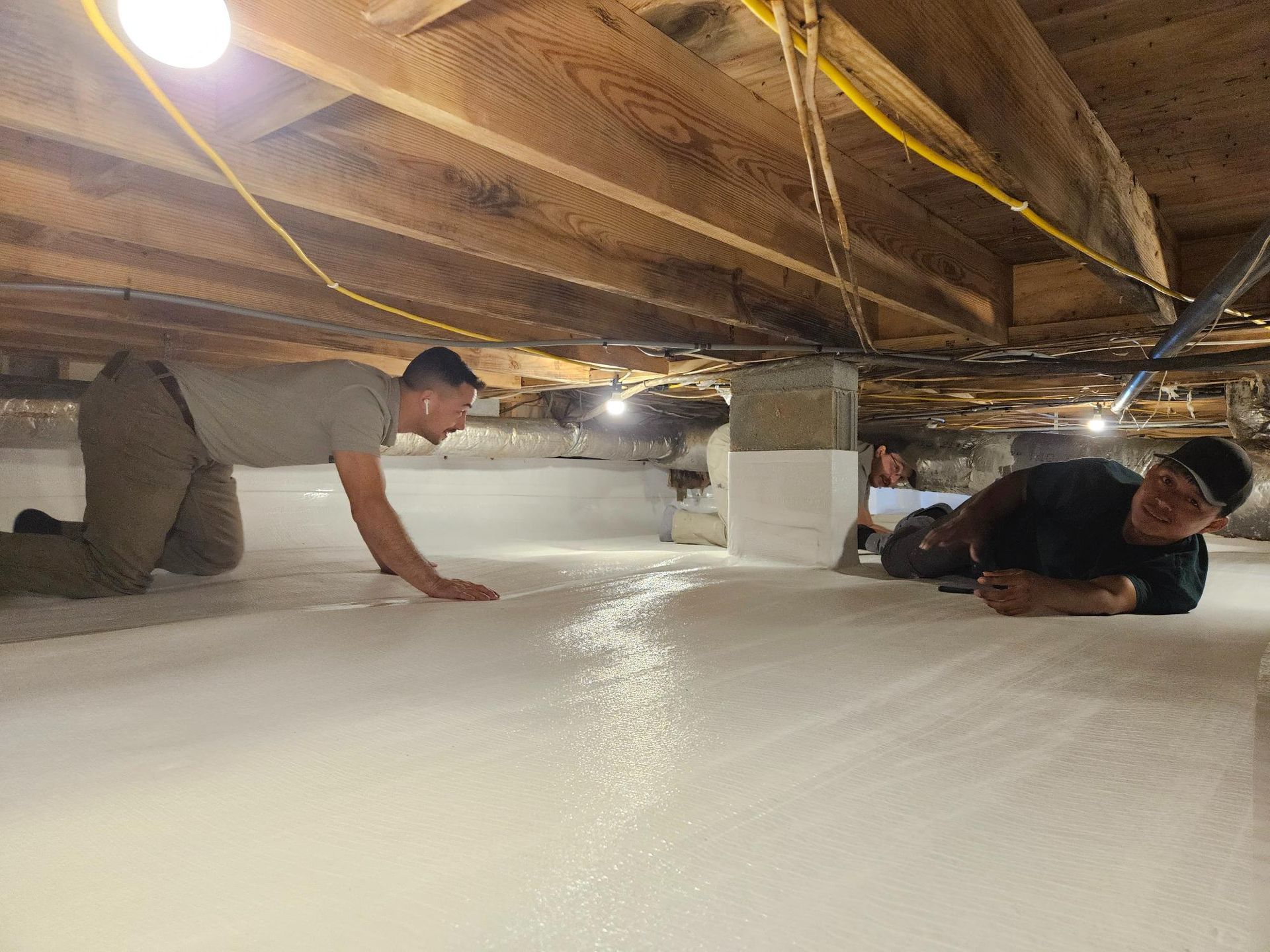
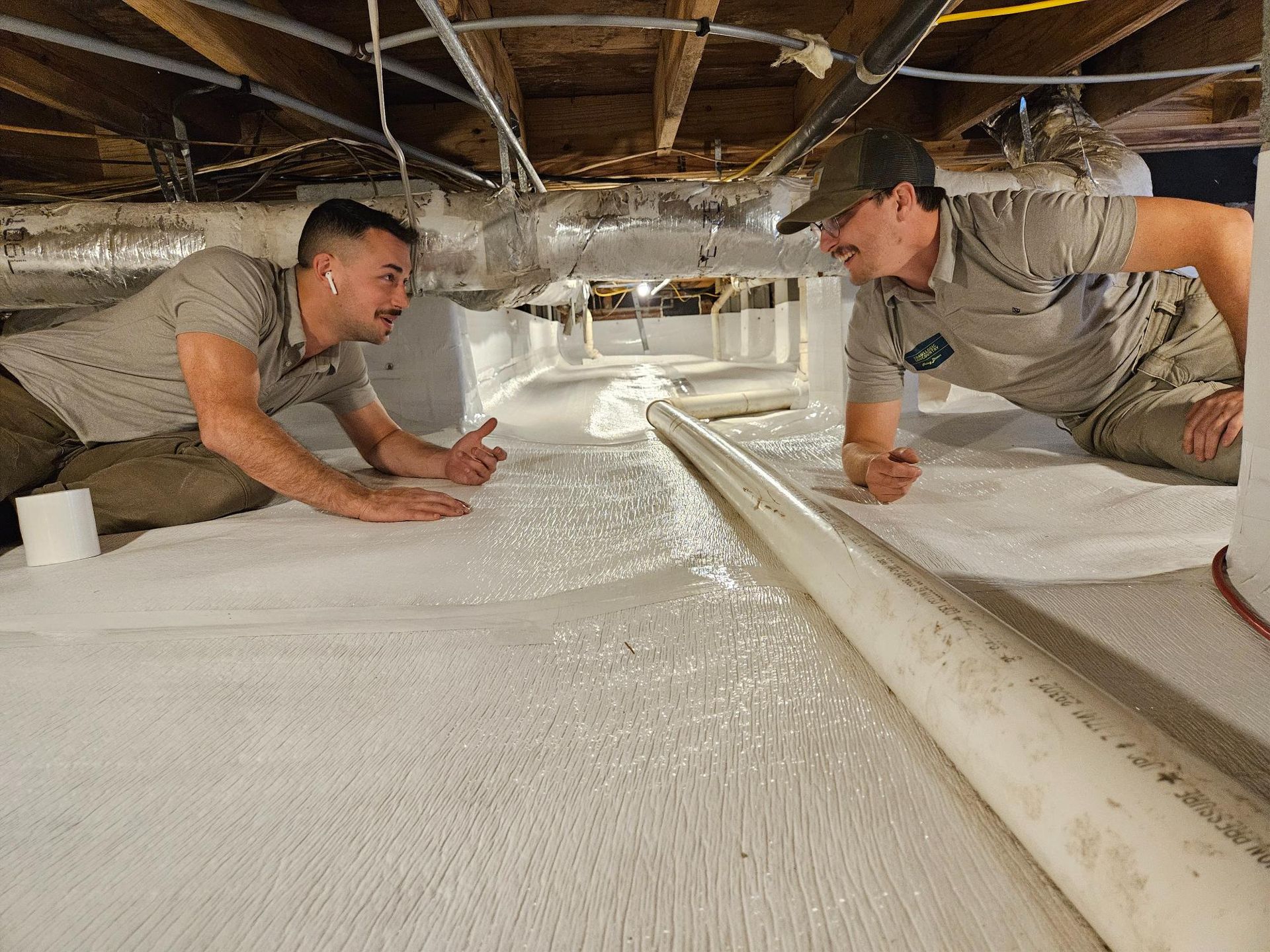
Your crawl space dehumidifier? It can only get the relative humidity down to about 40%. That's the limit. You can set it as low as you want, but physics says it's not going below 40%. And at 40% relative humidity, your wood is nowhere near that dangerous 4% moisture content threshold.
Think about it this way: What do people think happens in Arizona? The relative humidity there sits in the 20s for a huge portion of the year. Are all the houses in Arizona just collapsing because the wood is too dry? Of course not. Houses in dry climates do just fine.
Why This Myth Persists
So if the science doesn't support this warning, why does it keep getting passed around? I think it comes down to a few things.
First, it's advice that sounds smart. It feels balanced and thoughtful - "not too wet, not too dry, just right." That's appealing. Second, it gets passed from one generation of contractors to the next without anyone actually checking the numbers. When a respected veteran tells you something, you tend to accept it and pass it along.
There's also confusion about different types of drying. Yes, you can damage wood with extreme drying processes. But there's a massive gap between what happens in an industrial kiln and what happens in your crawl space with a dehumidifier running.
This is exactly why I make it a habit to dig into the science behind things, even when experts with decades of experience tell me something. Not because I think I'm smarter than them, but because I want to understand why things work the way they do. Sometimes what "everyone knows" turns out to be wrong when you actually look at the studies.
Practical Takeaways for Lowcountry Homeowners
So what does this mean for your crawl space? Simple: Set your dehumidifier to keep things dry. Don't worry about setting it "too low" because you literally can't get it low enough to cause problems.
In the Lowcountry, where we're fighting humidity most of the year, your goal is to keep that crawl space below 60% relative humidity. Ideally, you want it closer to 50% or lower. That keeps mold away, protects your wood from moisture damage, and maintains a healthy space under your home.
The only real concern with very dry air isn't your crawl space - it's your living space. If you have good air exchange between your crawl space and your house, you might notice drier air inside during winter months. Your contacts might feel dry, your skin might feel dry. But that's a comfort issue, not a structural one. And it's easily managed.
The Bottom Line
Look, I get why this myth has stuck around for so long. It sounds reasonable, and it comes from people with real experience. But experience without understanding the science behind it can lead us astray.
Your crawl space isn't going to get too dry. Your dehumidifier isn't powerful enough to damage wood, even if you set it to the lowest possible setting. What it will do is protect your home from the real enemy in the Lowcountry: too much moisture.
So stop worrying about setting your dehumidifier too low. Start worrying about whether it's actually keeping your crawl space dry enough. That's the real issue for homes in our area.
Got questions about your crawl space humidity levels? Or wondering if your dehumidifier is doing its job? Give us a call. We'll give you the straight talk based on actual science, not just what everyone's always said. Because your home deserves solutions that actually work.