$25 vs $500: Why We Stopped Using 'Industry Standard' Sensors
Crawl Logic Lowcountry
When Industry Standard Isn't Good Enough
THE REAL DIFFERENCE BETWEEN CHEAP MONITORS AND MUSEUM-GRADE PROTECTION
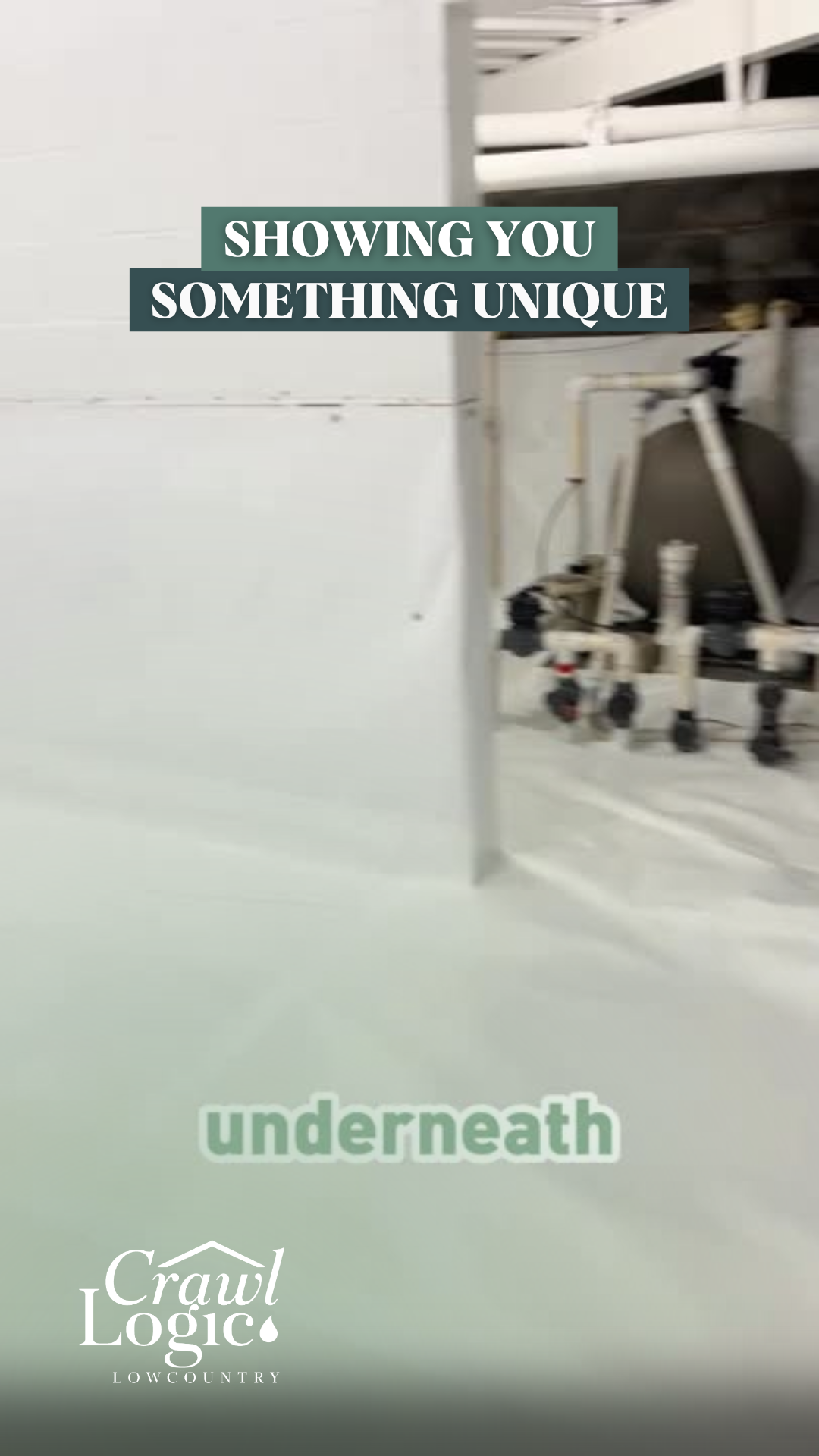
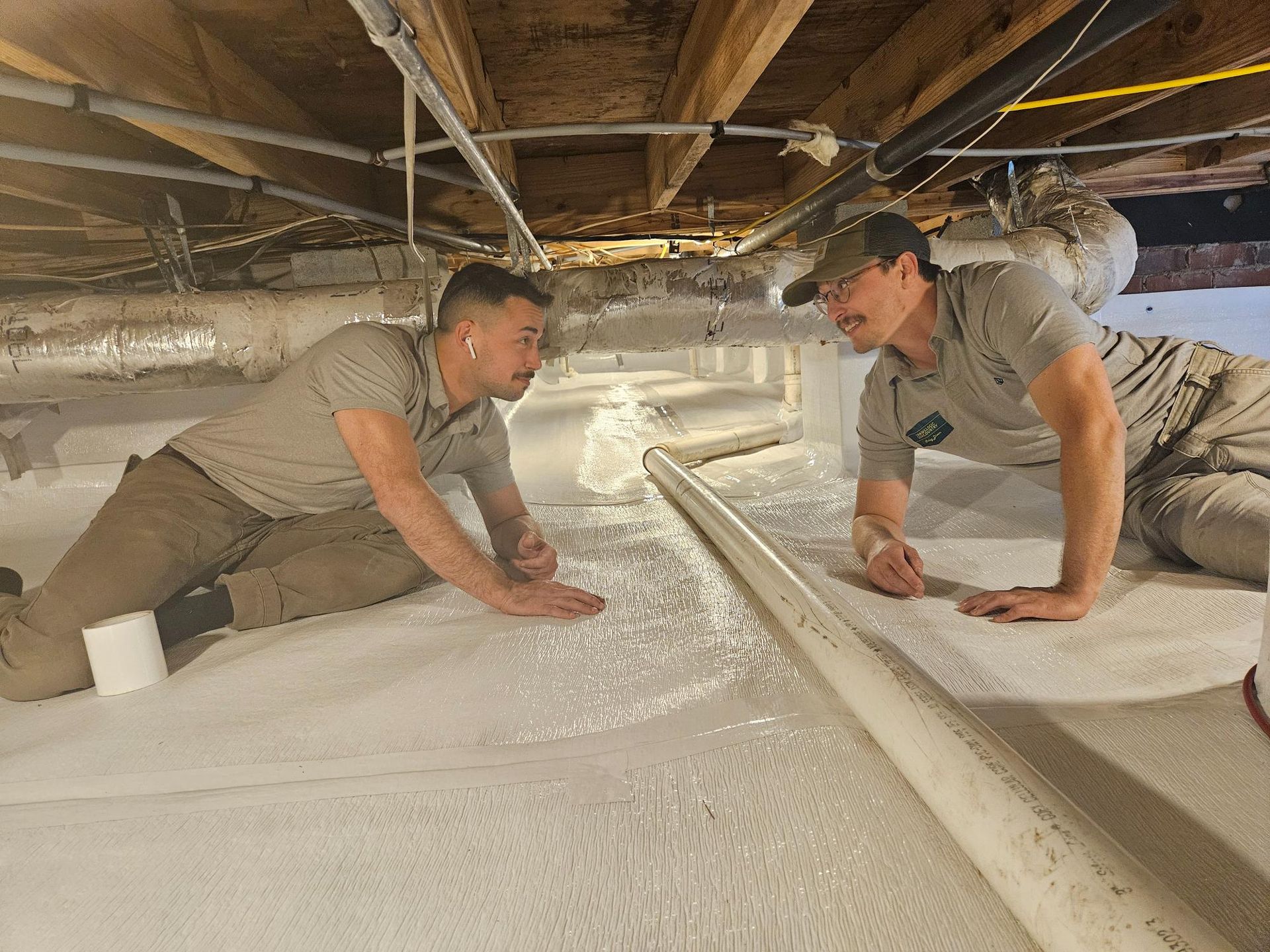
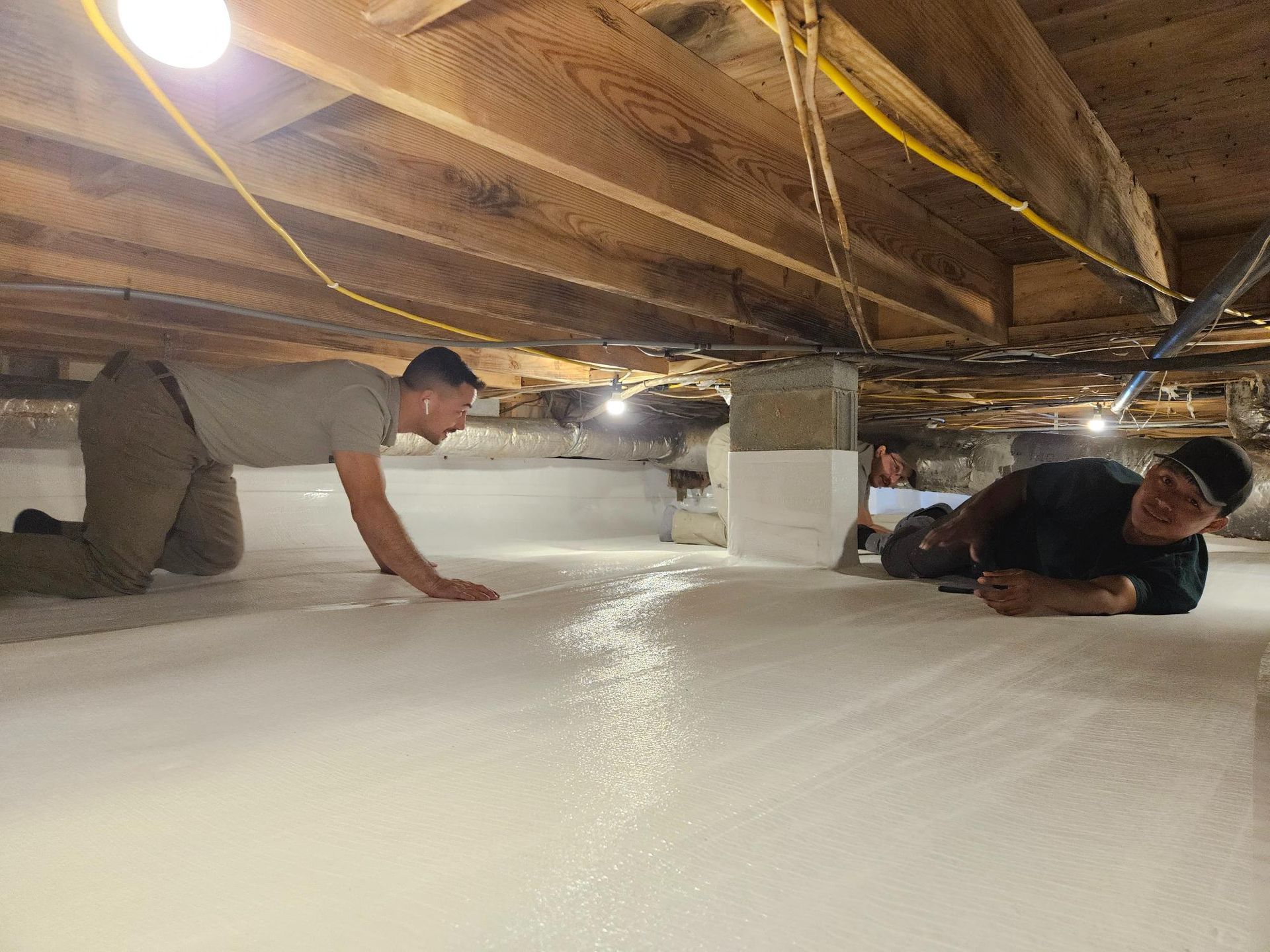
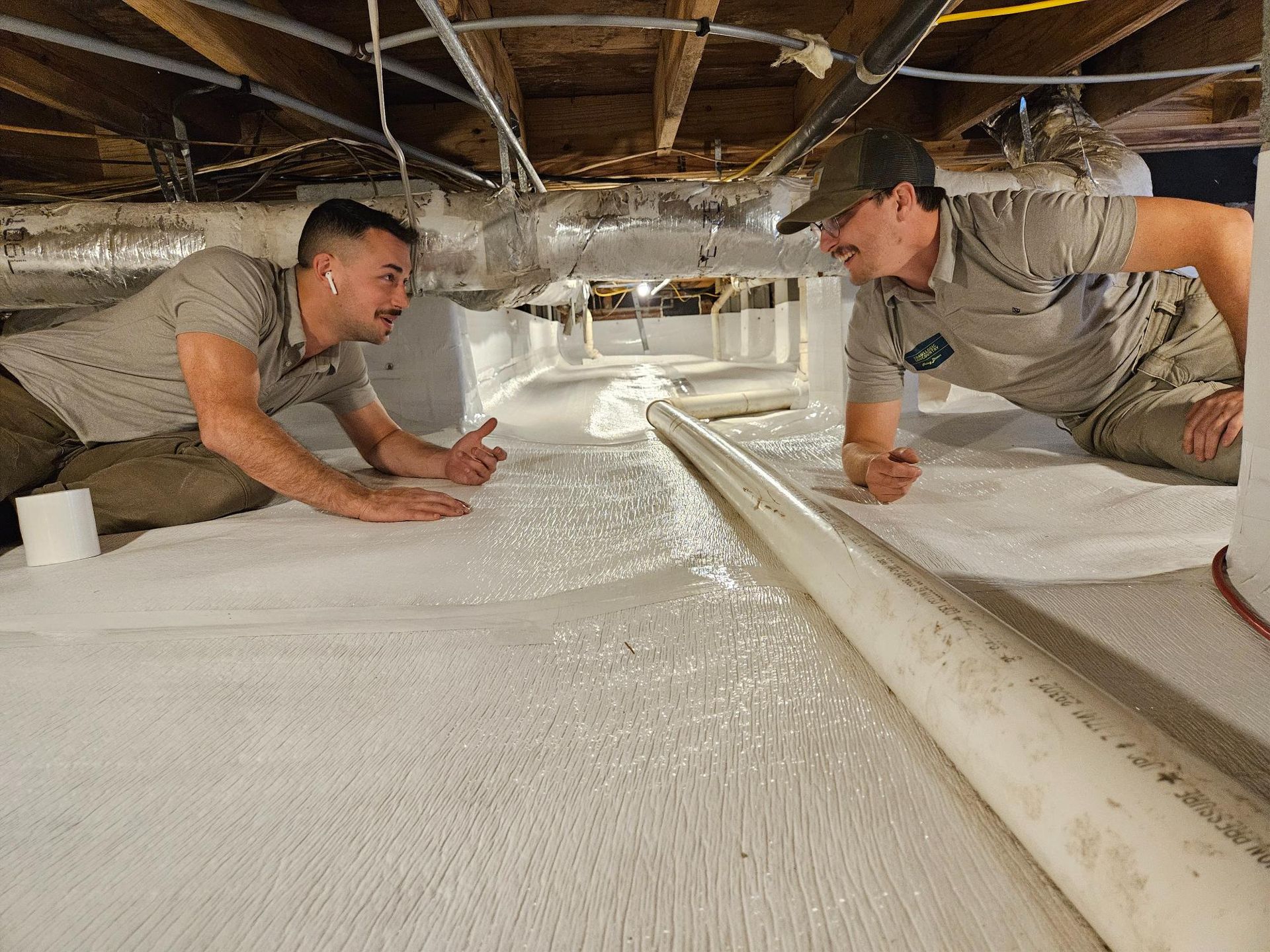
I was down in a crawl space the other day swapping out a sensor for one of our clients.
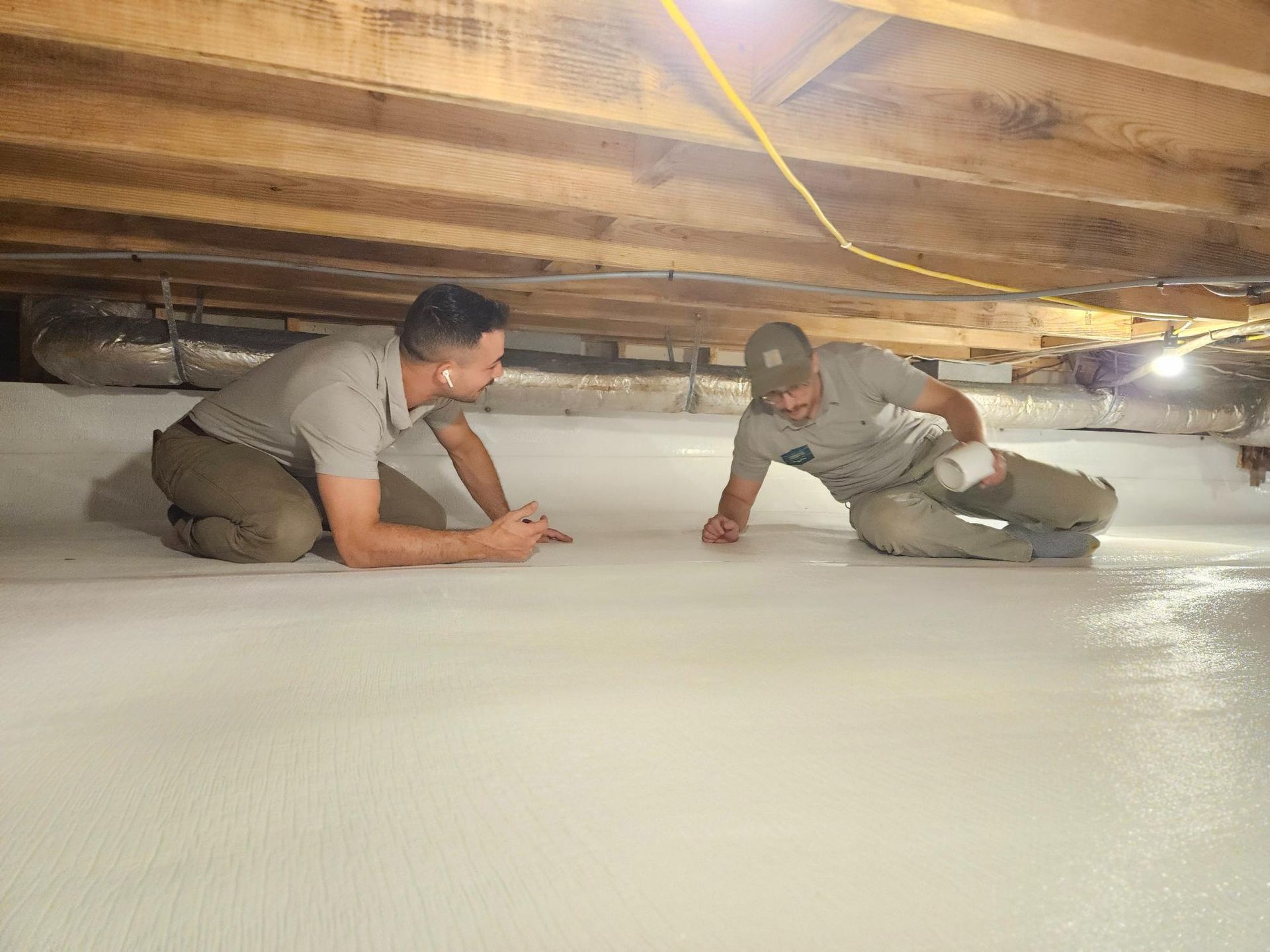
The encapsulation itself is about two years old now, and I've got to say - it's holding up beautifully.
Bone dry, clean, exactly what you want to see.
Sure, there's a piece of tape peeling here or there (we've actually switched to a better tape since then), but overall, this crawl space is doing its job perfectly.
But here's what I really wanted to talk about: that sensor I was replacing.
Not because it failed - but because we've learned there's a much better way to monitor these spaces.
And when I say "better," I'm not talking about a small improvement.
I'm talking about the difference between getting a text the second something goes wrong versus finding out months later when you've already got a problem.
Welcome to Crawl Logic Lowcountry!
The Problem with "Industry Standard"
Let me show you what most crawl space companies are using. This is a basic weather station sensor - you can pick one up at Lowe's for about 25 bucks. It measures humidity, and honestly, it's what we started with too. Why? Because it's what everyone in the industry uses. When another company tells you they're including "live humidity monitoring," this is usually what they're talking about.
Here's the problem: these things are pretty terrible. And I didn't realize just how terrible until we had two of them in the same month arrive broken right out of the box. Not just a little off - we're talking seven points of inaccuracy. That's huge. That's the difference between thinking your crawl space is fine and actually having a moisture problem brewing.
Seven points might not sound like much, but in crawl space monitoring, that's the difference between safe and dangerous. And yet, companies keep using them. Some even use cheaper knockoff versions manufactured specifically for crawl space companies - lower quality than this $25 Lowe's model. Why? Because it's cheap and it's "industry standard."
What Museum-Grade Actually Means
After dealing with those broken sensors, I started looking for something better. That's when we discovered these specialized monitors. They're made by a company that only does one thing: sensors. That's it. No crawl space equipment, no dehumidifiers - just sensors for museums and high-end factories.
Think about it - museums use these to protect priceless art. Factories use them for precision manufacturing. These sensors cost about $500, come with a 10-year warranty, and they're absolutely accurate. Not "pretty close" or "good enough" - accurate.
But here's what really sold me: these things notify up to six people in real time the exact second your crawl space exceeds acceptable levels. Not the next time you check. Not when you happen to look at an app. The moment something goes wrong, I get a text. You get a text. We all know immediately.
The Real-World Difference
So what does that actually mean for you? Let's say your dehumidifier stops working. With those cheap $25 sensors, you might not notice for weeks or even months. By then, you could have mold growing, moisture damage starting, all kinds of problems developing.
With our museum-grade sensors, I know within seconds. I can call you before you even realize there's an issue. We can get it fixed before any damage happens. That's not just monitoring - that's actual protection.
And here's the thing about cost: yes, $500 is more than $25. But how much does mold remediation cost? How much are new floor joists if moisture damage gets out of hand? Suddenly that $500 sensor looks like the bargain, doesn't it?
Why This Matters for Your Home
Your home is probably your biggest investment. So why would we protect it with the same cheap sensor that breaks out of the box half the time? Just because it's "industry standard" doesn't mean it's good enough.
When we install an encapsulation, we're taking responsibility for keeping that space dry. We warranty the moisture content of your wood. That's a serious commitment, and we take it seriously. That means using equipment that actually works, not just equipment that's cheap and easy.
Here's what you need to ask any contractor: What kind of monitoring are you including? Is it just a basic weather station, or is it real-time alerting? Who gets notified when something goes wrong? What's the warranty on the sensor itself? These questions matter because your home's protection depends on the answers.
The Bottom Line
Look, I get it. When you're comparing quotes, a company that uses $25 sensors can come in cheaper than us. But here's what I want you to understand: we're not just installing equipment and walking away. We're protecting your home for the long haul.
Every single crawl space we've done in the last year and a half, I can pull up right now on my phone. I can see the exact temperature and humidity in real time. And if something goes wrong - anything at all - I know about it immediately. That's the level of protection your home deserves.
This isn't about having the fanciest equipment just to say we have it. It's about making sure that when we promise your crawl space will stay dry, we have the tools to back that promise up. Because at the end of the day, your peace of mind matters more than saving a few hundred bucks upfront.
Got questions about what kind of monitoring your current crawl space has? Or wondering if there's a better way to protect your Charleston home? Give us a call. We'll give you straight answers about what you actually need - not just what's "industry standard."